Exfoliating Treatments
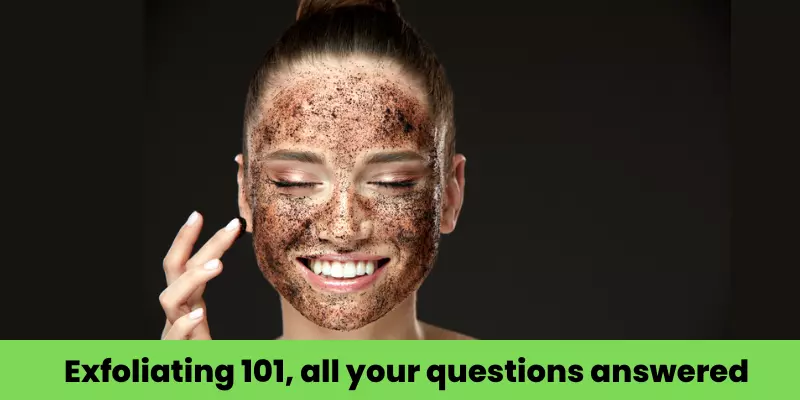
Exfoliating 101, all your questions answered
Free Shipping to Australia on orders over $100. Worldwide on Orders over $250. Dismiss
Exfoliating your skin should never be overlooked.
When done correctly, it helps keep skin smooth, dewy, and glowing.
But how do you actually exfoliate properly?
What types of exfoliation are there?
And what on earth is a micro-tear anyway?
These are some of the most common questions our clients ask.
So buckle up. Our Exfoliation 101 guide breaks it all down.
Fresh learnings. Clear answers. And a much smoother ride ahead.
A: Exfoliating is the act of sloughing off dead skin cells to reveal newly generated ones.
It’s a natural part of your skin’s life cycle known as desquamation.
Still, as you age, your skin’s cellular turnover slows, causing stubborn skin cells to adhere to the surface and dulling and drying your once-vibrant skin.
So, occasionally, it requires a boost, which is where your exfoliation comes in.
A: There are three ways you can do this:
A: The many beauty benefits of exfoliating are endless; we have listed a few below:
A: Let’s break this down by age group:
In your 20s: We recommend gently exfoliating with powders and enzymatic products; avoid harsh peels or anything too stripping.
In your 30s: You may want to consider scheduling a series of mild chemical peels or occasional microdermabrasion once a month to give your skin a boost. Again, go carefully; if you over-treat your skin at this age, you could be setting yourself up for irritation and inflammation.
In your 40s and upwards: This is when your skin begins to show signs of premature ageing.
Cellular turnover slows down because natural enzymes in your skin work less effectively to remove dead skin cells.
These stubborn enzymes also prevent your skin from reflecting light, resulting in an ashy, dull look.
So, you may consider increasing your exfoliating frequency to a couple of times a week to give your skin that coveted, youthful glow.
A: This will depend on your skin type, which you can read about here.
What we mean by this is how often and the modality you use depends on your skin’s tolerance levels.
If your skin is dry and sensitive, exfoliation may irritate, so don’t do it too frequently.
For those of you who have thicker, oily skin, you will be able to tolerate more exfoliating, maybe twice a week,
If your skin is prematurely aged, you may need a gentler lactic exfoliation once or twice a week.
Why? On the one hand, you are scrubbing dead cells to stimulate new growth and reveal a healthy, fresh glow.
Conversely, you’re also semi-sanding your face; exfoliation is a practice that requires experimentation.
A: There are four types of exfoliant treatments:
Physical Scrubs: These are used to scrub the outermost layer of your skin physically.
Enzymes: These are usually gentle exfoliation with a hydrating gel base containing natural enzymes like pineapple, papaya, or lactic acid. They work to gently dissolve dead skin cells and the glue that holds them together, enabling more thorough exfoliation. Lactic acid is also great for boosting skin hydration and is an excellent option for sensitive skin, which we discuss here.
Beta Hydroxy Acids: This form of chemical exfoliation penetrates deep into pores, helping break down cellular debris, skin cells, and excess oil. Salicylic acid is the most common beta-hydroxy acid and is oil-soluble, making it ideal for oily, combination skin types and helping balance daily shine.
Alpha Hydroxy Acid: This is a water-soluble form of chemical exfoliation that will help to lighten and brighten your skin. They can also help hydrate the skin. Acids like glycolic, malic, and lactic are all forms of alpha-hydroxy acids.
A: Sure thing. Physical exfoliation removes the dead skin cells on your skin’s surface and is a great way to address flaky, dry areas of concern.
But you should remember a few things the next time you scrub your skin to oblivion.
Size and shape matter. That’s right. The smaller the granules, spheres, or powder, the less harsh your scrub will be.
So opt for spherical exfoliating particles and avoid ingredients like shells, nuts, sugar, or coffee grounds that may have jagged, sharp edges. These can easily scratch your skin, causing tiny micro-tears that lead to inflammation (see below).
Don’t get us wrong—coffee or sugar scrubs are great for body treatments, but we at NC recommend against using them on your face, especially if you have irritated, sensitive skin; in that case, we recommend avoiding them altogether.
A: Chemical exfoliants are ingredients like enzymes and acids that dissolve dead skin instead of scrubbing, as physical exfoliants do.
Enzymes, BHAs, and AHAs are all chemical peels that work by loosening the bonds that hold your skin cells together, called the intracellular matrix.
When used, they penetrate deep into the dermis, where nerve endings cause a rush of blood to the skin’s surface. The dermis is packed with oxygen, blood vessels, and nutrients, which are crucial for keeping the skin healthy.
While the skin is the body’s largest organ, it is also the last organ to receive nourishment. Therefore, using products that stimulate the skin, like exfoliants, is essential, especially as you age.
So don’t be afraid; this redness will subside over time to reveal a youthful, rosy glow—provided you don’t overdo your exfoliation!
If you’re keen to learn more about chemical peels, we created an article called the complete estheticians’ guide to chemical peeling, which you can read here.
A: Your skin is a magical organ that is constantly regenerating itself.
Exfoliating regularly is essential to maintaining healthy skin, and we recommend a mix of chemical and physical exfoliation.
So get comfortable alternating between gentle scrubs and mild chemical peels, that is, if you don’t have sensitive skin.
You can liken these two modalities to a workout for your skin.
But remember, also, like a workout, you can’t immediately run a marathon, especially if you are new to exfoliation.
Regarding physical exfoliation, we like powders, fruit enzymes, and gentle gommage peels.
For chemical exfoliation, what you use depends on your skin type.
For instance, if you are prone to breakouts, BHA will be your best option, whilst alpha hydroxy acids are great for hydrating your skin and giving you that coveted dewy glow.
A: This can cause inflammation and impair your skin’s protective barrier function, causing sensitivity, dehydration, and even breakouts.
An easy and effective way to prevent this is to beef up your skin’s barrier function before exfoliating.
This is such an important subject that we dedicated an entire article to it, called Dangers of over-exfoliated skin.
A: Exfoliating your skin can help your other products work more efficaciously, but because you’re removing stubborn skin cells to reveal new skin underneath, your skin needs rehydration.
Most people don’t realise that correctly exfoliating means that, once you have completed your exfoliating step, you should then apply a water-based serum and layer it with your occlusive moisturiser to lock in all the hydration, as the air can often draw out humectants.
If you’re looking for recommendations? Applying an H20 hydrating skin shot, then layering with Fortify barrier repair cream, is a great place to start to keep your skin healthy.
A: Yes, but balance is everything. Sensitive skin requires a careful, considered approach. The right exfoliation method can improve texture and clarity, while the wrong one can trigger irritation.
To explore this in more depth, we’ve created a dedicated article that explains how to exfoliate sensitive skin safely. You can read it here.
A: Yes, micro-tears are very real.
Micro-tears occur when exfoliating products or tools with sharp or irregular edges create tiny, invisible lacerations in the outer layer of the skin.
Think about lightly scratching your skin with a fingernail. It may not bleed, but the surface is still damaged. The same thing can happen to facial skin.
When used with excessive pressure, harsh bristles on cleansing brushes can cause micro-tears. The same applies to natural scrubs made with ingredients like walnut shells or apricot pits, which have uneven, jagged edges.
When these sharp particles are rubbed over the skin, they can irritate the surface and weaken the protective barrier.
Micro-tears create tiny cracks that allow moisture to escape while bacteria and irritants enter. This disrupts the skin barrier and the delicate microflora that form the acid mantle.
As nerve endings become exposed, products that never used to sting may suddenly cause discomfort. This is often a sign that the skin barrier has been compromised.
If you’d like to explore exfoliation further, this beginner-friendly dermatology guide offers helpful insight.
Exfoliation plays an important role in any skincare routine.
It helps remove dead skin cells, revealing fresher, brighter skin underneath. When done correctly, exfoliation can improve skin texture and clarity, as well as enhance the absorption of other skincare products.
However, exfoliation is not a one-size-fits-all step.
The frequency and method must be tailored to your individual skin type. Over-exfoliation can quickly lead to irritation, sensitivity, and damage to the skin’s protective barrier.
By understanding the different exfoliation methods and how they affect the skin, you can incorporate exfoliation in a way that supports long-term skin health.
When approached gently and thoughtfully, exfoliation can help promote a healthy, balanced, and radiant complexion over time.
One reply on “Exfoliating 101, all your questions answered”
This is really interesting, its clear you really know what your talking about when it comes to the skin.
I have shared your site in my social networks!