Keratosis pilaris
Keratosis Pillaris Moisturizer: Why Your Cream Makes KP Worse

Free Shipping to Australia on orders over $100. Worldwide on Orders over $250. Dismiss
By Samantha Miller, Clinical Esthetician & Founder of The Naked Chemist | Updated: June 2026
You’ve tried every lotion, every cream, every “KP miracle product” on the shelf.
And those stubborn bumps won’t budge. Sound familiar? You’re not doing anything wrong.
The problem isn’t your commitment to moisturizing. The problem is the type of moisturizer you’re using.
Most keratosis pillaris moisturizers on the market are very occlusive.
That can actually interfere with your skin’s barrier and feed the very condition you’re trying to fix.
Once you understand why this happens — and what to use instead — everything changes.
The best keratosis pilaris moisturizer is a gel-based, emulsifier-free formula containing keratolytic agents, humectants, and salicylic acid. Unlike traditional creams, gel moisturisers deliver deep hydration without disrupting the skin’s lipid barrier or contributing to follicular congestion—two issues that worsen KP over time.
In This Article
Key Takeaways
The majority of keratosis pillaris moisturizers fail not because of their active ingredients but because of their base formula—the emulsion itself. Traditional creams and lotions use emulsifiers to blend oil and water into a smooth texture. For KP-prone skin, this creates a hidden problem that most brands won’t tell you about.
Keratosis pilaris is a buildup of keratin — a hard, protective protein — around the hair follicle. This plug traps hair beneath the surface, creating those rough, raised bumps. For a full explanation of what drives this process, read our complete keratosis pilaris treatment guide.
Here’s where it gets interesting.
Those rough, raised bumps aren’t dirt or acne — they’re keratin plugs, hardened keratin that builds up and blocks the hair follicle. This is why scrubbing or squeezing never works: the keratin plugs sit deep inside the follicle, and the only way to clear them is to dissolve them gently with a keratolytic like urea, allowing the follicle to shed the buildup naturally.
Emulsifiers, once they’re on your skin, continue to do what they were designed to do — bind oil and water. This means they can interact with the natural lipids in your skin barrier, gradually weakening its structure. For skin already struggling with blocked follicles and impaired barrier function — which is exactly what happens with KP — this sets up a frustrating cycle.
The barrier weakens, transepidermal water loss increases, your skin dries out, and keratin buildup worsens. So you reach for more cream. More emulsifiers. And the cycle continues.
This is the part that surprised me, too, when I first started connecting the dots in the clinic over 30 years ago. Clients were doing everything “right” — exfoliating gently, moisturizing religiously — but their KP wasn’t improving. The common thread? Heavy, emulsion-based creams.
A gel moisturizer delivers hydration through water-based humectants and plant-derived thickeners — no emulsifiers required. This means it hydrates deeply without interfering with your skin’s natural lipid structure or contributing to follicular congestion.
Bear with me here — this distinction matters more than you’d think.
Heavy creams can sit on the skin’s surface and further block the hair follicle. A lightweight gel absorbs quickly, delivering moisture at a cellular level without smothering the follicle opening. This is particularly important for keratosis pilaris on the face, where thick products can also trigger milia — those tiny white cysts that are sometimes confused with KP.
Humectants like urea and hyaluronic acid perform best in water-based environments. In a gel formula, these ingredients penetrate more effectively, drawing moisture deep into the skin rather than sitting on the surface trapped in an oily emulsion.
Cream-based moisturizers can leave a film that holds dead keratin cells against the skin. A gel leaves a clean, matte finish — letting those keratolytic ingredients do their job of breaking down the plugs without interference.
An effective keratosis pillaris moisturizer needs ingredients that do double duty: exfoliate the keratin plugs and hydrate the skin simultaneously. Look for these specific ingredients — and understand what each one actually does.
Urea is arguably the single most important ingredient for keratosis pilaris. At concentrations above 10%, it acts as a keratolytic — breaking down the bonds between dead skin cells and dissolving the keratin plugs that cause bumps.
But here’s what makes urea special: it’s also a powerful humectant. It draws moisture into the deeper layers of your skin while it exfoliates. That dual action — dissolving plugs while hydrating at the same time — is exactly what KP-prone skin needs, and it’s why urea outperforms every other single ingredient for this condition.
Salicylic acid is oil-soluble, which means it can penetrate the pores and break down keratin buildup from within. Most other acids only work on the skin’s surface. For a condition that originates inside the follicle, this makes salicylic acid uniquely effective.
Hyaluronic acid holds up to 1,000 times its weight in water. In a gel base (rather than a cream), it absorbs more effectively, plumping and softening the skin around those stubborn follicular plugs without any heaviness.
Ceramides are essential lipids that repair and maintain your skin’s protective barrier — and impaired barrier function is directly linked to Keratosis pillaris.
This Balancing Gel was formulated specifically to address the problems traditional keratosis pillaris moisturizers create — it delivers keratolytic exfoliation and deep hydration in a completely emulsifier-free, water-based gel.
The formula contains urea for keratolytic action and deep moisture, salicylic acid to penetrate and clear blocked follicles, hyaluronic acid for cellular-level hydration, and prebiotic alpha-glucan oligosaccharide to support your skin’s microbiome. It’s thickened with xanthan gum and hydroxyethyl cellulose — both plant-derived — rather than emulsifiers.
Because it’s a gel, it absorbs quickly and leaves a matte finish, making it suitable for the face (including the delicate under-eye area where KP sometimes appears) as well as your body.
Recommended
A cushiony, emulsifier-free gel with urea, ceramides and hyaluronic acid. It floods dry, KP-prone skin with moisture, softens keratin plugs, and rebuilds the barrier so skin can shed keratin properly — humectants lock in hydration without heaviness.
Best for: dry, dehydrated, barrier-compromised KP skin that needs hydration and repair before exfoliation.
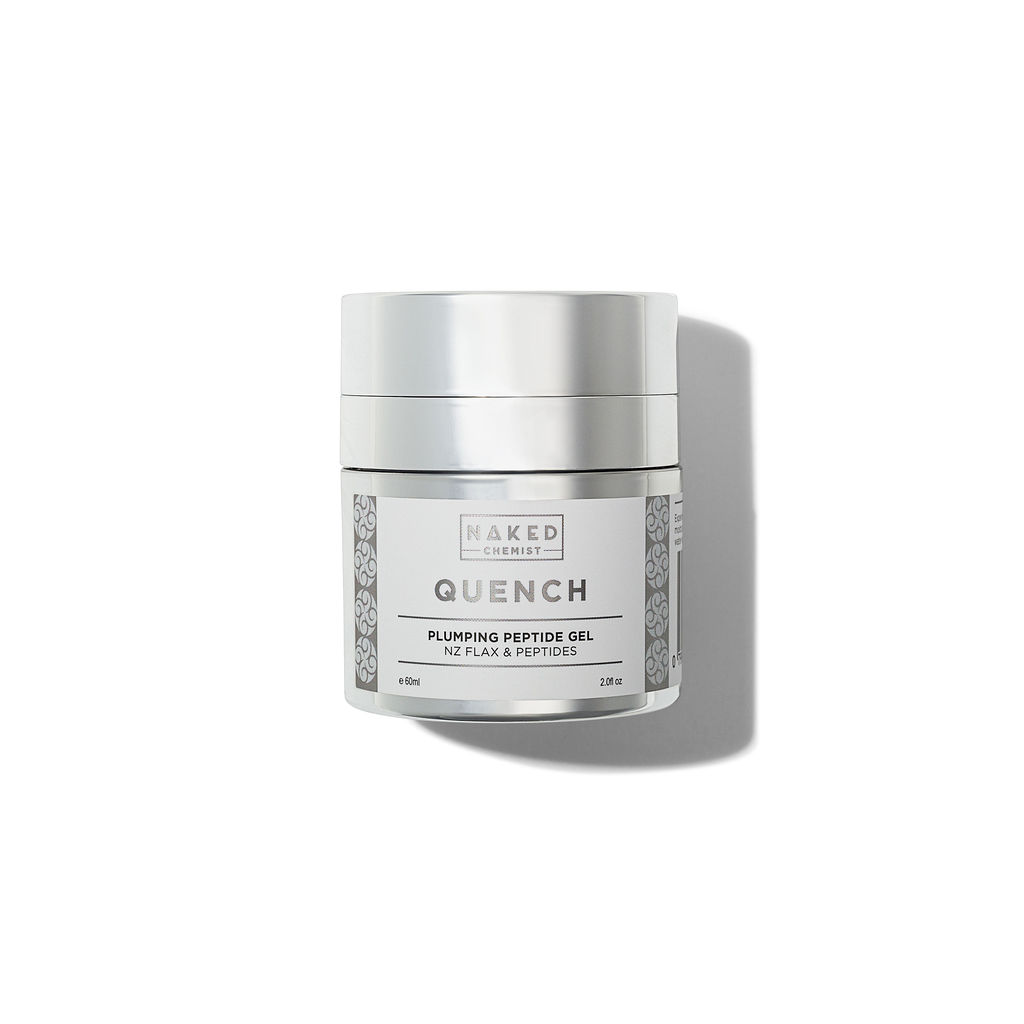
Apply your gel moisturizer to damp skin within one to two minutes of cleansing — humectants like urea and hyaluronic acid need water to work with. Applying to bone-dry skin dramatically reduces their effectiveness.
Cleanse gently. Use a pH-balanced, sulphate-free cleanser or a keratolytic cleansing bar. Harsh soaps strip the skin’s natural oils and alter its pH — both of which worsen KP.
Pat — don’t rub — skin until slightly damp. You want moisture still present on the skin’s surface.
Apply your gel moisturizer. Use a thin, even layer on affected areas. On the face, follow any treatment serums (vitamin A, niacinamide) with the gel as your final hydration step.
Be consistent. KP is a chronic condition. It takes 4–8 weeks of consistent daily use to see meaningful improvement. Skip a few days, and those bumps come back.
For a full, step-by-step treatment routine covering every aspect of KP care, read our complete keratosis pilaris treatment guide.
Recommended
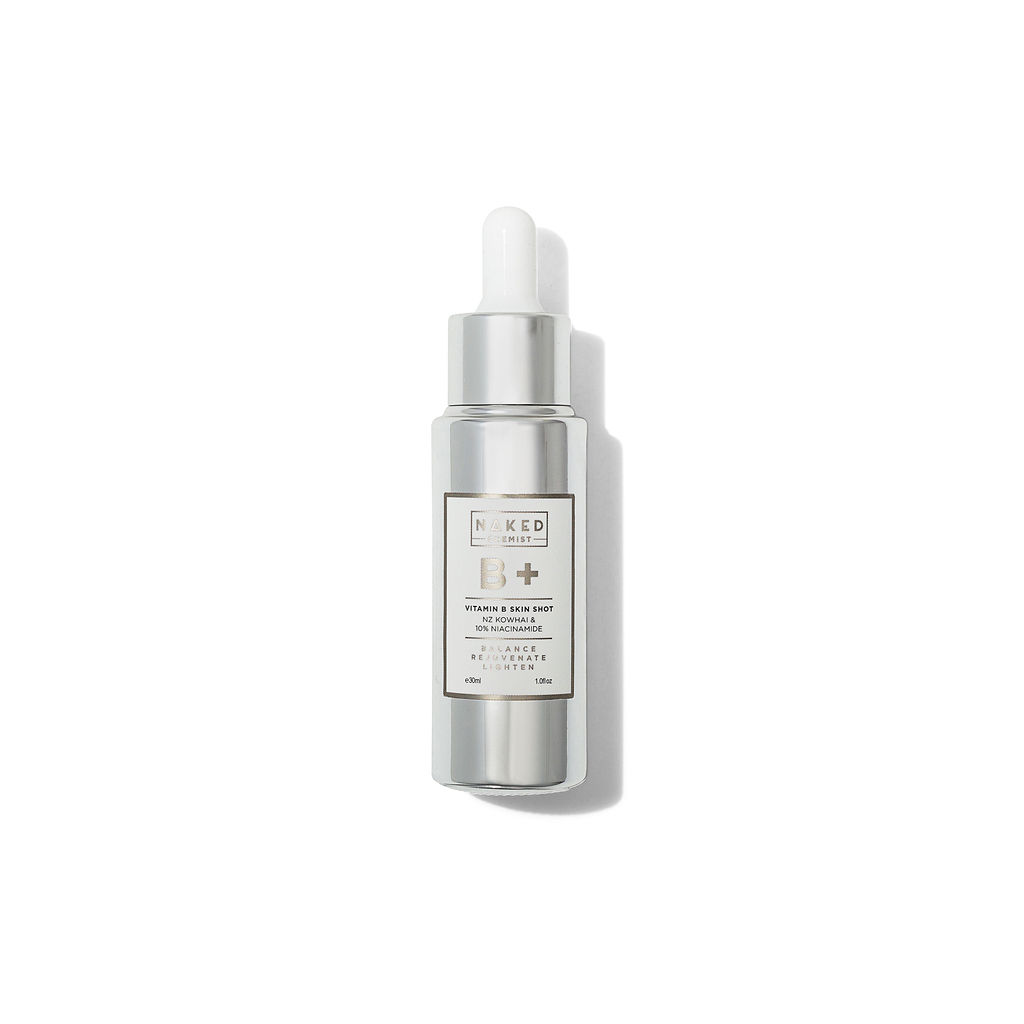
Powered by 10% niacinamide and N-acetyl glucosamine, this lightweight serum fades the dark marks keratosis pillaris leaves behind, calms redness, and strengthens the barrier by boosting your skin’s own ceramide production.
Best for: post-inflammatory pigmentation from KP, redness, and barrier recovery.
Over-moisturizing with the wrong products is just as damaging as not moisturizing at all — and it’s the mistake I see most often in clinic. Here are the patterns that keep KP-prone skin stuck.
Petroleum-based products and heavy body butters sit on the skin’s surface. They trap dead keratin cells against the follicle, worsening the bumpy texture over time. If your moisturizer feels heavy or greasy, it’s the wrong vehicle for KP.
When moisturizing isn’t working, the instinct is to scrub harder or use stronger acids. This further damages the barrier, increases inflammation, and can cause post-inflammatory hyperpigmentation (PIH) — especially in darker skin tones. Physical scrubs are the worst offenders.
KP treatments need time. Most people give up after one to two weeks and switch to something new. The minimum effective timeframe is four weeks of consistent, daily use. Jumping between products means nothing gets the chance to work.
A healthy skin surface sits at a slightly acidic pH of around 4.5–5.5. Products that push pH too high disrupt the barrier and create an environment where keratin buildup accelerates. This is why pH-balanced formulas matter — and why harsh alkaline soaps make KP worse.
This is surprisingly common. Humectant ingredients need available water to draw into the skin. If you wait until your skin is completely dry after showering, you’ve missed the window where your moisturizer is most effective.
Founder Insight: Samantha Miller — Clinical Esthetician & Founder of The Naked Chemist
“In over three decades of treating keratosis pilaris in clinic, the single biggest shift I’ve seen in client results came from changing the vehicle of their moisturizer — not the active ingredients. Most people are using the right acids and the right keratolytic agents. But they’re delivering them in a cream base that works against their skin. When I moved clients to gel-based, emulsifier-free formulas, the improvement was remarkable. It’s a simple change, but it’s the one that makes everything else in the routine work better.”
Here’s the thing most people miss about treating keratosis pilaris: you can have all the right active ingredients — urea, salicylic acid, hyaluronic acid — and still see no results if they’re trapped in a formula that’s undermining your skin barrier.
At The Naked Chemist, our approach has always been barrier-first. We don’t believe in fighting your skin into submission with harsh treatments and heavy creams. We believe in supporting it — with formulas that work with your skin’s biology, not against it.
Quench gel and many of our products were built on this philosophy. Every ingredient serves a purpose. Nothing in the formula makes it look or feel like a “luxury cream.” It’s a gel because that’s what KP-prone skin actually needs.
Choosing the right keratosis pillaris moisturizer isn’t about finding the most expensive cream or the one with the longest ingredient list. It’s about understanding that the formula’s base matters just as much as its actives.
Emulsifier-free, gel-based hydration — paired with keratolytic ingredients like urea and salicylic acid — gives your skin what it actually needs to calm those bumps and restore smoothness.
Be consistent, be gentle and patient. Your skin will thank you for it, and you will get results.
A gel-based, emulsifier-free moisturizer containing keratolytic humectants like urea and hyaluronic acid is the most effective option for keratosis pillaris. Gel formulas deliver hydration without disrupting the skin barrier or contributing to follicular congestion, both common issues with traditional cream-based moisturizers.
Moisturising is essential for managing keratosis pillaris, but it won’t cure it—keratosis pilaris is a chronic, genetic condition. Consistent moisturizing with the right formula (one that includes keratolytic ingredients like urea) can significantly reduce the appearance of bumps, smooth skin texture, and prevent flare-ups. Most people see improvement within 4–8 weeks of daily use.
The most effective ingredients for a moisturizer are urea (for keratolytic action), salicylic acid (to penetrate the follicle), hyaluronic acid (for deep hydration), and ceramides (for barrier repair).
If your keratosis pillaris worsens with moisturising, the formula is likely the problem—not the act of moisturising itself. Emulsion-based creams can disrupt the skin’s lipid barrier, increase dryness, and trap dead keratin cells against the follicle. Switching to an emulsifier-free gel moisturizer often resolves this.
Disclaimer: This article is for informational purposes only and is not intended to diagnose, treat or cure any medical condition. Always patch test new products and consult your healthcare provider if uncertain.