Skin Conditions | Keratosis pilaris
Chicken Skin Under Eyes (Keratosis Pilaris): How to Treat It

Free Shipping to Australia on orders over $100. Worldwide on Orders over $250. Dismiss
Keratosis is the Latin word for too much keratin, and pilaris means hair.
By Samantha Miller, Clinical Esthetician & Founder of The Naked Chemist | Updated: 2026
Do you notice tiny bumps that sit just beneath your eyes?
This is often referred to as chicken skin under eyes.
Not quite milia. Not quite breakouts. Just rough, bumpy texture.
You’ve tried the serums and the exfoliants.
Keratosis pilaris under the eyes is common and yet widely underrecognised.
Most skincare advice isn’t designed for skin this thin. What works on your arms can wreak havoc in this delicate area.
But tfortunately here is a way forward. Let’s dive in.
Keratosis pilaris under eyes, or chicken skin under eyes, occurs when keratin protein builds up in the tiny hair follicles beneath the eye area, creating small, rough bumps that are often mistaken for milia or congestion. Because the under-eye skin is the thinnest on your entire body — with fewer oil glands and a weaker barrier — treatment must focus on hydration, barrier repair, and extremely gentle exfoliation. Aggressive actives that work elsewhere on the face can inflame this area and worsen the texture.
Keratosis pilaris under eyes is a variation of KP where keratin accumulates within the fine hair follicles beneath your eye area, creating small, rough-textured bumps that feel like sandpaper.
Unlike KP on the arms or thighs, this presentation is harder to identify — and even harder to treat — because the skin here is structurally different from anywhere else on your body.
Many people assume the bumps are milia or congestion. They reach for spot treatments, retinol eye creams, or physical exfoliation — and the texture gets worse.
That’s because this isn’t a clogging issue. Your skin isn’t dirty. It’s not shedding properly.
The key difference? Milia are small, firm, pearly-white cysts trapped under the surface. KP bumps are more numerous, smaller, rough to the touch, and caused by keratin plugging the follicle from the inside.
The treatments are completely different. Getting this diagnosis right is the first step toward actually improving the texture. Read our complete keratosis pilaris treatment guide.
Tiny bumps under the eyes are usually caused by slowed skin cell turnover combined with a weakened barrier, allowing keratin to accumulate rather than shed naturally.
When the under-eye barrier is impaired — whether from dryness, over-treatment, or environmental exposure — cells cling to each other instead of releasing. The result is a persistent texture that moisturiser alone can’t fix. Here’s the part most people miss. It’s not just about the keratin building up — it’s about why your skin is holding onto it.
Several factors contribute. Genetics play a major role — KP runs in families, and if you have it on your arms or cheeks, the under-eye area is susceptible too.
Atopic conditions like eczema and asthma increase susceptibility. Cold, dry climates strip moisture from this already vulnerable zone. And nutritional deficiencies — particularly vitamins A, C, and essential fatty acids — can slow the cell turnover that would normally prevent keratin from accumulating.
But in my clinical experience, there’s one factor I see more than any other when it comes to chicken skin under eyes, and that is over-treatment. Clients are layering retinol, vitamin C, AHAs, and peptide serums around their eyes — all at once, every night. The skin can’t cope. Turnover slows as a protective response. Keratin builds up. And the bumps appear.
I call this skin exhaustion. And the under-eye area is usually the first place it shows.
Misdiagnosis is the single biggest reason under-eye bumps go untreated — or get treated with exactly the wrong products. These three conditions look similar but require completely different approaches.
Small, numerous, rough-textured bumps that feel like sandpaper. They’re caused by keratin plugging hair follicles. They tend to be widespread rather than isolated, and they worsen in dry conditions. They respond to gentle keratolytics and barrier repair.
Firm, pearly-white, dome-shaped bumps — usually fewer in number and more distinct. Milia are tiny cysts in which dead skin cells are trapped beneath new skin growth. They don’t feel rough like KP. Extraction by a professional is often the most effective treatment.
Small, flesh-coloured or yellowish bumps, often symmetrical beneath both eyes — this is not classic chicken skin under eyes. These are benign sweat duct growths — not a keratin issue at all. They don’t respond to skincare and typically require professional removal if treatment is desired.
If you’re unsure which you’re dealing with, a professional assessment is worth every penny. Using KP treatments for milia, or milia treatments for syringoma, achieves nothing and can further irritate delicate skin.
The skin beneath your eyes is the thinnest on your entire body — approximately 0.5mm compared to 2mm on the rest of your face. It has fewer oil glands, less collagen, and a weaker barrier structure. This makes it fundamentally different from every other area where KP appears.
Active ingredients penetrate faster and deeper. A concentration of lactic acid that’s perfectly gentle on your arms can sting and inflame the under-eye area. Please use lower percentages applied less frequently, with more barrier support alongside them.
Recovery from irritation takes longer when you have chicken skin under eyes. If you overdo it — even once — the redness, dryness, and sensitivity can take weeks to settle. On your arms, you’d recover in days. Under the eyes, the margin for error is razor-thin.
Post-inflammatory changes are more visible. Any irritation or picking can leave pigmentation marks that linger for months in this thin-skinned area. Especially for Fitzpatrick skin types III and above, the stakes of getting treatment wrong are higher.
Bear with me here, because this is the bit that changes everything. Most under-eye KP treatment fails not because the ingredients are wrong, but because the approach is too aggressive for the anatomy. Dial the intensity down, and the results actually improve.
Treating keratosis pilaris under the eyes requires the gentlest approach of any KP treatment — because the skin cannot tolerate what works elsewhere on your face or body.
The goal is never to force the bumps away. It’s to gradually create the conditions where your skin can shed keratin normally again.
I use a four-step framework with clients, adapted from the same three-pronged KP treatment approach that underpins all our work — but calibrated specifically for under-eye fragility.
Dehydrated under-eye skin holds onto keratin more stubbornly. Humectants like hyaluronic acid draw water into the tissue, softening the plugs and improving skin flexibility.
Water-based serums work beautifully here. They cushion the skin, reduce that tight, papery feeling, and create a better environment for gentle exfoliation later. Apply to slightly damp skin for maximum absorption.
This is where real, lasting change begins. Ceramides, cholesterol, and essential lipids rebuild the protective structure that allows normal turnover to resume.
When clients ask me why their under-eye texture won’t shift despite months of treatment, the answer is almost always the same — they skipped barrier repair. A compromised barrier cannot shed keratin efficiently. It clings, accumulates, and creates that persistent bumpy texture.
Replenish the barrier first. Everything else works better once it’s intact.
Low-percentage lactic acid (5% maximum) or urea (5–10%) can dissolve keratin buildup without damaging this delicate area. Lactic acid is particularly suited because it exfoliates while simultaneously hydrating — a dual action that prevents the dryness stronger acids would cause.
Start with once a week. If tolerated after two weeks, increase to twice a week, never more than that, for the under-eye area. If any stinging, redness, or tightness develops, pull back immediately and focus on hydration and barrier repair.
Salicylic acid can be used at very low concentrations (0.5–1%) because it’s oil-soluble and penetrates the follicle directly. But it’s drying — and dryness under the eyes is the last thing you want.
Recommended
A cushiony, emulsifier-free gel with urea, ceramides and hyaluronic acid. It floods dry, KP-prone skin with moisture, softens keratin plugs, and rebuilds the barrier so skin can shed keratin properly — humectants lock in hydration without heaviness.
Best for: dry, dehydrated, barrier-compromised KP skin that needs hydration and repair before exfoliation.
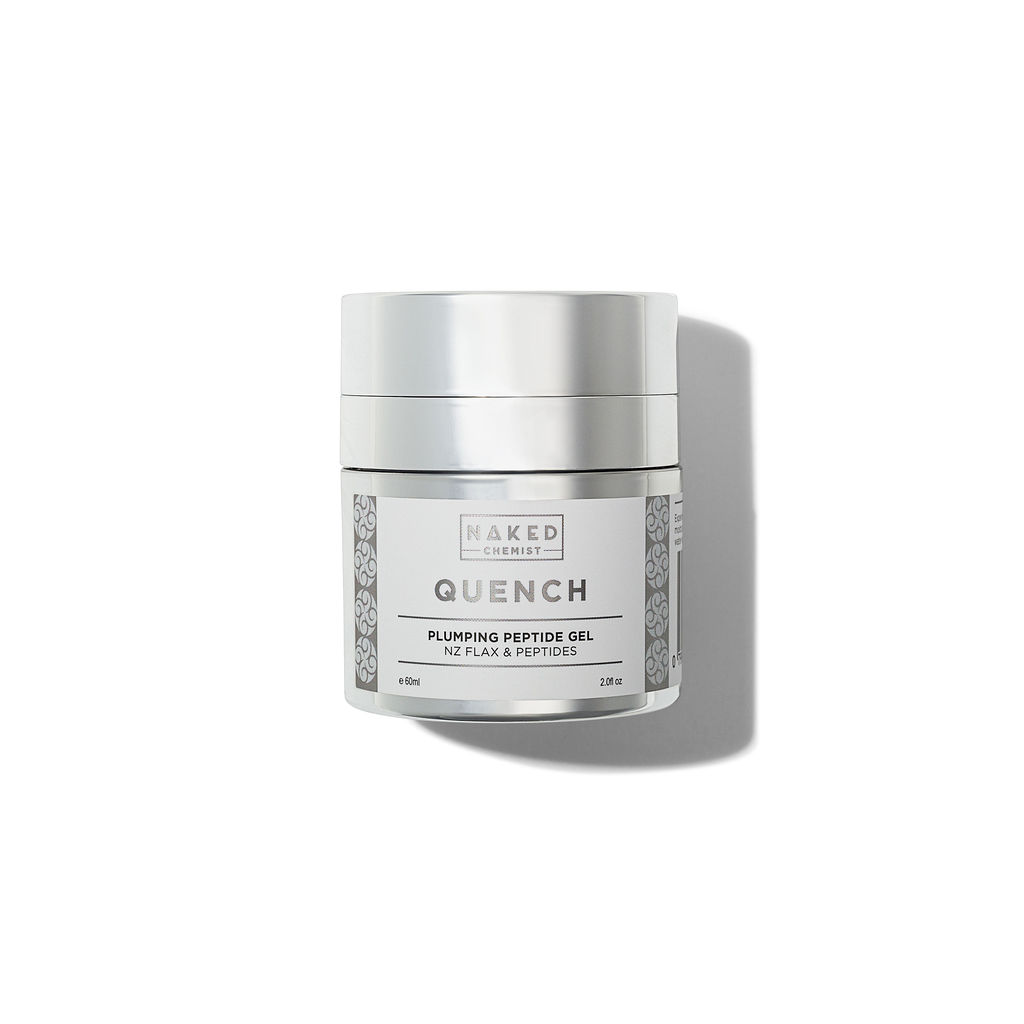
A mild retinaldehyde or bakuchiol product can encourage cell turnover over time. But this is the final step, not the first. Only introduce it once your barrier is stable and the skin shows no signs of sensitivity.
Prescription-strength retinoids are too aggressive for most under-eye KP. If your dermatologist recommends one, ensure it’s paired with robust barrier support.
These are the errors I see most often in clinic — and every one of them makes keratosis pilaris under eyes worse.
Samantha Miller — Clinical Esthetician & Founder of The Naked Chemist
“In clinic, I see under-eye KP most often in clients who’ve been over-treating their eye area for months. Retinol layered with vitamin C layered with peptides layered with AHAs — every night. The skin becomes fragile, turnover grinds to a halt, and that bumpy texture appears seemingly out of nowhere. Once we strip the routine back to barrier repair and hydration, the texture softens—the skin calms. And the bumps begin to fade, because we stop overwhelming the skin.
Under eye keratosis pilaris, or chicken skin under eye persists when the barrier beneath your eyes can’t keep up — when it’s too thin, too dry, and too inflamed from products it was never designed to handle. The keratin accumulates because the skin has lost the ability to shed it efficiently.
Over 30 years of clinical practice have shown me that the solution isn’t stronger ingredients. It’s the right support. Formulas that rebuild what this fragile skin is missing — ceramides, lipids, and genuine hydration — create the conditions for the texture to resolve naturally.
Our keratosis pilaris routine was built for exactly this kind of skin — over-treated, under-supported, and ready for a gentler path.
Keratosis pilaris under the eyes sits in one of the most visible, most delicate areas of your face; it can quietly erode your confidence in ways that feel disproportionate to something so small.
You can’t scrub it away, peel it off, or retinol it into submission. Every aggressive attempt will make this thin, fragile skin more irritated, more reactive, and more textured than before.
You can support it. Hydrate the tissue to soften the keratin. Rebuild the barrier so turnover can resume naturally. Introduce the gentlest possible exfoliation — and only once the skin is stable enough to tolerate it.
That’s not a glamorous answer. But in 30 years of working with this exact condition, it’s the only one that delivers lasting results.
It’s less common than KP on the arms or thighs. Still, it does occur — particularly in individuals with dry or sensitive skin, atopic conditions like eczema, or a genetic predisposition to KP elsewhere on the body. Because it’s frequently misdiagnosed as milia or congestion, it’s likely more prevalent than statistics suggest.
KP bumps are small, numerous, and feel rough like sandpaper when you run your finger across them. Milia are fewer, firmer, pearly white, and dome-shaped—they feel smooth, not rough. KP responds to keratolytics and barrier repair. Milia often require professional extraction. If you’re unsure, see a dermatologist for a definitive diagnosis.
Yes, but only with extreme gentleness. Low-percentage lactic acid (5% max) or urea (5–10%) applied once or twice a week is the safest approach. Physical exfoliation, scrubs, and high-percentage chemical peels should never be used in this area. If any stinging or redness occurs, stop immediately and focus on hydration.
KP can improve with age — many people see a natural reduction after puberty and into their 30s. However, it rarely disappears completely without consistent skincare. The texture may fade, but without ongoing barrier support and gentle exfoliation, it tends to return, particularly in cold, dry weather.
Lactic acid at 5% or below, urea at 5–10%, hyaluronic acid for hydration, ceramides and essential lipids for barrier repair, and mild vitamin A derivatives like retinaldehyde or bakuchiol once the barrier is stable. Avoid glycolic acid, high-strength retinol, benzoyl peroxide, and any product containing fragrance or alcohol near the under-eye area.
Over-treatment doesn’t cause KP directly — it’s a genetic condition. But aggressive skincare routines can weaken the under-eye barrier, slow cell turnover, and create conditions that allow keratin to accumulate more visibly. In my clinical experience, skin exhaustion from product overload is one of the most common triggers for under-eye texture becoming noticeable.
No. Syringomas are benign sweat duct growths — small, flesh-coloured bumps that are often symmetrical beneath both eyes. They’re not caused by keratin and don’t respond to skincare. KP under the eyes is a follicular keratin issue that responds to gentle exfoliation and barrier repair. A dermatologist can distinguish between the two.
Most people notice a softer, smoother texture within 3–4 weeks of consistent gentle treatment. However, because the under-eye skin heals slowly and tolerates less, full improvement often takes 8–12 weeks. Rushing the process by increasing frequency or concentration of actives almost always backfires. Patience is genuinely the most important ingredient.