Recipes
Formulating Blissful Body Butter
Free Shipping to Australia on orders over $100. Worldwide on Orders over $250. Dismiss
Feeling parched? Say hello to body butter.
If your skin’s feeling drier than the Sahara, it’s time to bring in the big guns.
Body butters aren’t just moisturisers; they’re rich, velvety hugs for your skin.
They are packed with nourishing goodness to banish flakes and leave you glowing.
Whether you’re whipping up a batch of homemade magic.
Or shopping for the perfect blend, they are here to make dry skin a distant memory.
Ready to explore the creamy, dreamy world of these balms,
Let’s dive in and find your skin’s new best friend!
Whether you have dry, flaky skin or want to pamper yourself with a luxuriously nourishing treat, body butter is the ultimate skincare indulgence.
Unlike many commercial creams, they provide deep, long-lasting hydration, leaving your skin soft and glowing.
Let’s examine some of the most popular butters in skin care products and how they can elevate your homemade creations.
In cosmetic chemistry, they are rated on a scale of 1 to 10.
The scale reflects their hardness, with softer butters like avocado at the lower end and firmer ones like cocoa butter ranking at the top.
Each butter brings unique properties, allowing you to customise your skincare recipes to suit your needs.
Extracted from the fruit of the avocado tree (Persea gratissima), this butter is a powerhouse of moisture. Rich in vitamins A, B, and E, avocado nourishes and protects the skin, making it ideal for creams and balms.
Its emollient properties ensure your skin feels soft and hydrated, while its sunscreen qualities provide additional protection.
However, avocado can be a bit greasy, so it’s best used sparingly or as a secondary butter in your formulations.
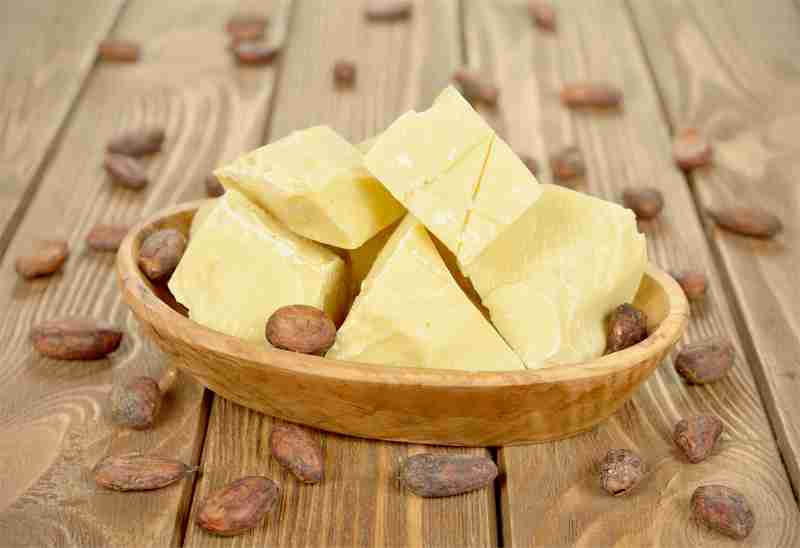
It is derived from the roasted seeds of the cacao tree (Theobroma cacao) and is a staple ingredient in body products.
Known for its hardness—ranking a solid 10 on the butter scale—it works well as a thickener in lotions and bars.
It contains approximately 40% solid fat and forms a protective barrier over the skin, locking in moisture and leaving it feeling silky. Its natural chocolate scent is a delight for cocoa enthusiasts, but unscented, refined options are available if you prefer a neutral aroma.
You can use cocoa in your base blend up to 50% when crafting homemade skincare, depending on how firm you want your final product to be.
However, its hardness requires adding softer butters, such as shea or mango, for a more balanced texture.
Mango comes from the seed kernel of the mango fruit (Mangifera indica). It is softer than cocoa but still solid, rated an eight on the hardness scale.
It boasts a smooth, non-grainy texture, making it easy to work with. It is also less greasy than other rich moisturisers, perfect for those who prefer a lighter feel on their skin.
Mango is also a fantastic emollient, helping to soften and soothe the skin.
You can incorporate it into your base blend at up to 50%, and it’s beneficial for creating non-greasy formulations that still pack a moisturising punch.
Shea butter, derived from the seeds of the karate tree (Butyrospermum parkii), is a creamy and versatile option for skincare formulations. A hardness rating of 7 strikes a balance between softness and firmness.
Renowned for its healing properties, shea butter penetrates deeply into the skin, promoting elasticity and leaving it supple and hydrated. It’s also naturally rich in vitamins and offers mild SPF protection, making it an excellent choice for all-purpose skincare.
It is also excellent for burns on the skin, as this research found.
Shea works beautifully in a range of products, from natural lipsticks to soothing body balms. Its creamy consistency makes it a favourite for dry and sensitive skin.
Body butters are anhydrous, meaning they contain no water, eliminating the need for preservatives. This makes them an excellent choice for natural skincare enthusiasts.
Their high-fat content creates a protective layer on the skin, locking in moisture and shielding it from environmental aggressors.
Experimenting with different ones allows you to create a product tailored to your preferences.
Want something light? Go for mango. Need an ultra-rich, protective layer? Cocoa is your best bet.
Body creams are the perfect antidote for dry, thirsty skin. They offer a luxurious and effective way to moisturise and protect.
Whether you choose the creamy richness of shea, the light touch of mango, or the decadent firmness of cocoa, there’s one to suit every skin type and preference.
Making your body cream at home is fun. You can control the ingredients, ensuring your final product is pure and free from unnecessary additives.
So why not start experimenting today? Dive into DIY skincare and treat your skin to the ultimate pampering experience. Your glow will thank you!
If you want more inspiration, this article discusses the different ingredients within a formula in great detail.

5 replies on “Formulating Blissful Body Butter”
It’s interesting to know that avocado can also be used as an ingredient for body butter. I’m considering to start using body butters for my beauty regimen soon in order to keep my skin fair and supple. There are times when I feel like my arms are starting to sag so I have to be more careful about about the signs of aging.
Can you grind avocado seeds to make the solid body butter? I would LOVE a method on how to make avocado body butter at home. I cannot find ANYTHING on how it is made
Hi Kathryn my recipe is based on Avocado oil, not the seeds so i would not know sorry.
Can honey be added to a body butter?
It can but in minute amounts as obviously changes the composition.