Keratosis pilaris
Keratosis Pilaris Face Treatment: How to Smooth Bumps and Calm Your Skin

Free Shipping to Australia on orders over $100. Worldwide on Orders over $250. Dismiss
By Samantha Miller, Clinical Esthetician & Founder of The Naked Chemist | Updated: 2026
Tiny bumps. Rough cheeks. Texture that won’t smooth.
You’ve exfoliated. Moisturised. Googled it at 2 a.m. Still there?
It might not be acne. It might not be dryness. It could be keratosis pilaris.
Keratosis pilaris face treatment requires a completely different approach to treating KP on the body.
Facial skin is thinner, more reactive, and far more prone to scarring and pigmentation.
What works on your arms can wreck your cheeks.
The good news? It’s absolutely manageable.
But first, you need to understand what you’re working with — and why your face plays by different rules.
Keratosis pilaris on the face occurs when keratin protein plugs the hair follicles on your cheeks, jawline, or forehead, creating a rough, bumpy texture that’s often mistaken for acne. Unlike body KP, facial keratosis pilaris requires gentler ingredients, lower concentrations, and a stronger focus on barrier repair and inflammation control — because facial skin is thinner, more exposed, and more likely to scar or develop post-inflammatory hyperpigmentation.
In This Article
Key Takeaways
Keratosis pilaris face is a skin condition where keratin — the protein that protects your skin — builds up and blocks the hair follicles on your cheeks, jawline, forehead, or near the eyebrows.
On the surface, it appears as rough patches, tiny scattered bumps, or an uneven texture that never fully clears, no matter what you try.
You might notice it as persistent dryness that a moisturiser can’t fix, or a sandpaper-like roughness that makes makeup sit badly. The underlying mechanism is the same as KP anywhere on the body — keratin plugs blocking follicles. But the face adds layers of complexity.
If you’re looking for the full clinical breakdown of KP across the whole body, our complete keratosis pilaris treatment ebook covers the approach I use with every client.
Facial KP has strong genetic ties. If one or both of your parents had it, your chances of having it increase significantly. It’s also closely linked to atopic conditions like eczema and asthma, and tends to flare in cold, dry climates when humidity drops.
Over-cleansing and scrubbing are the two fastest ways to worsen facial KP. I’ve seen it hundreds of times — someone assumes the bumps are acne, attacks them with foaming cleansers and physical scrubs, and the texture deteriorates within weeks.
The barrier breaks down, inflammation spikes, and the keratin production actually increases as a defensive response.
Your face is already working harder than any other area of skin on your body. It’s exposed to UV, pollution, temperature changes, and makeup daily. Adding aggressive treatment on top of that overwhelms it entirely.
Misdiagnosis is the single biggest reason keratosis pilaris face condition goes untreated — because most people assume they’re dealing with acne and reach for the wrong products entirely. Getting this right changes your whole approach.
Acne produces whiteheads, blackheads, or deep, inflamed cysts. The bumps come to a head. They respond to benzoyl peroxide and salicylic acid cleansers. KP bumps don’t.
They’re uniform, small, rough, and flat-topped. They feel like sandpaper rather than individual spots. If your “acne” doesn’t respond to standard acne treatments after 6–8 weeks, KP is a strong possibility.
This is the one that trips people up most. Fungal acne produces tiny, uniform, itchy bumps — which can look very similar to KP.
The key difference: fungal acne itches intensely and worsens in heat and humidity. KP worsens in cold, dry conditions and rarely itches. Fungal acne responds to antifungal treatments. KP responds to keratolytics and barrier repair. Using the wrong treatment achieves nothing.
Rosacea causes diffuse redness, visible blood vessels, and flushing — often across the cheeks and nose. KP causes a bumpy texture rather than widespread redness. However, the two can coexist, which is why I always recommend a professional assessment if you’re unsure.
Recognising facial KP correctly is the first step toward treating it effectively. Here’s what to look for.
Small, scattered bumps that don’t respond to acne treatments — this is the biggest clue. If benzoyl peroxide and salicylic acid washes haven’t shifted them after two months, it’s almost certainly not acne.
If your skin feels rough even when moisturised. You’ve applied hydrating products, but the texture stays gritty. That’s keratin plugging your follicles, not dehydration.
Redness or dark spots that linger long after bumps appear. On lighter skin, this shows as pinkness. On deeper skin tones, post-inflammatory hyperpigmentation can leave dark marks that persist for months.
Bumps clustering around cheeks, jawline, or eyebrows. These are the areas with the highest density of fine hair follicles on the face — exactly where keratin accumulates.
The condition worsens in dry weather or after using harsh products. If your skin flares in winter and calms in humid summer months, that’s a strong KP signal.
The golden rule of keratosis pilaris face treatment: gentleness wins. The more aggressive your approach, the angrier your skin gets. I’ve built my entire treatment framework around this principle.
For facial KP, the same keratolytic ingredients used on the body apply — but at much lower concentrations. Lactic acid at 5–10%, urea at 5–10%, and salicylic acid at 1–2% are your safest options. Start with once or twice a week only. Avoid glycolic acid peels above 10% unless your barrier is stable. For the full ingredient breakdown and how each one works, read our complete keratosis pilaris treatment guide.
If there’s redness, sensitivity, or any sign of irritation — this comes before exfoliation, not after. Niacinamide and centella asiatica (cica) are the gentlest options for facial use. The goal is to bring your skin’s inflammatory response down to baseline before asking it to tolerate any actives.
A compromised barrier produces more keratin as a defensive measure — repair it, and the overproduction slows naturally.
Recommended
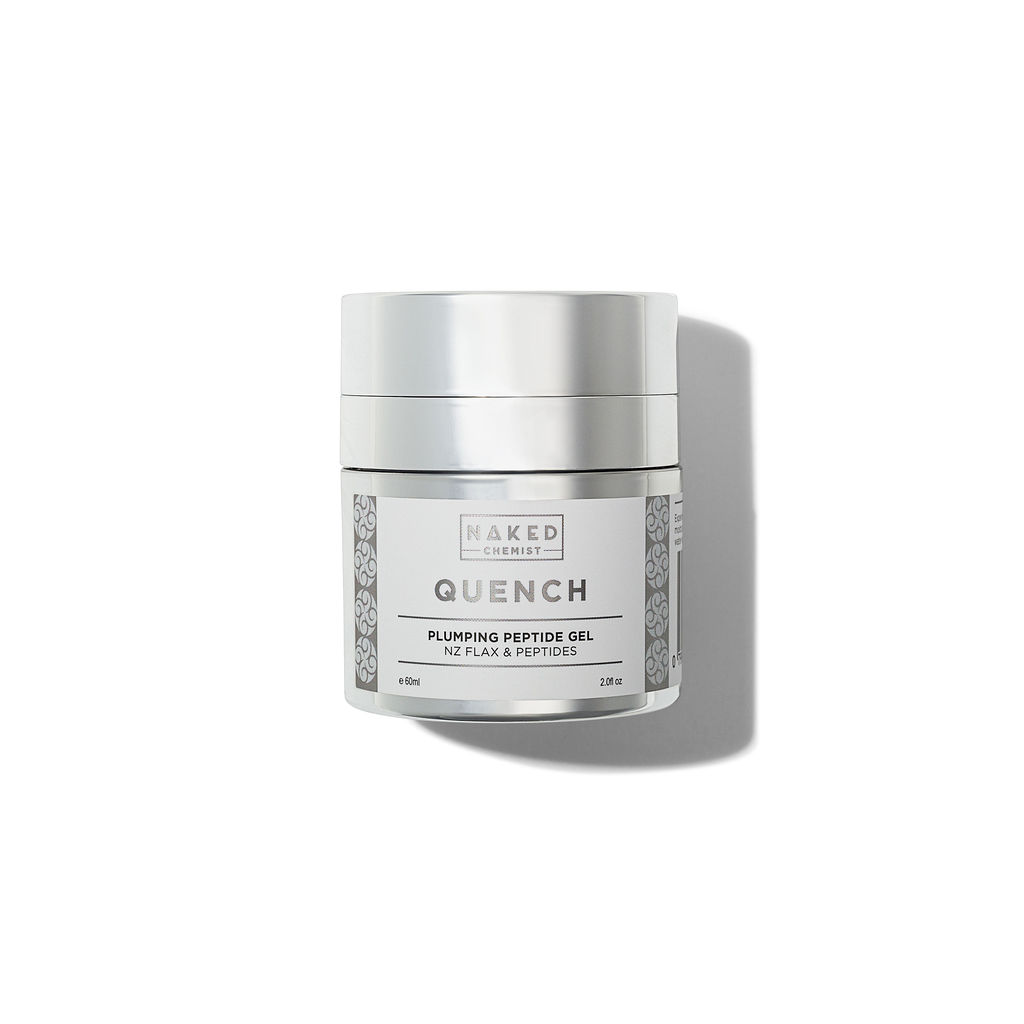
A cushiony, emulsifier-free gel with urea, ceramides and hyaluronic acid. It floods dry, KP-prone skin with moisture, softens keratin plugs, and rebuilds the barrier so skin can shed keratin properly — humectants lock in hydration without heaviness.
Best for: dry, dehydrated, barrier-compromised KP skin that needs hydration and repair before exfoliation.
The skin on your face is structurally different from the skin on your arms, thighs, or buttocks — and treating it the same way is one of the most common mistakes I see.
Facial skin is thinner. It has fewer layers of protective cells between the surface and the living tissue beneath. This means active ingredients penetrate more quickly and deeply, which is why concentrations that are perfectly safe on your body can burn your face.
Facial skin is more exposed. UV radiation, pollution, wind, and temperature changes all hit your face first. This constant environmental stress means your facial barrier is already working harder than skin elsewhere on your body.
Facial skin scars and discolourations are more easily treated. Post-inflammatory hyperpigmentation is significantly more common on the face — especially in Fitzpatrick skin types III and above. Aggressive treatment doesn’t just fail; it actively creates new problems.
That means no loofahs. No scrubbing brushes. No high-percentage acid peels unless your skin is calm, hydrated, and well-supported. If you’ve been treating your face the same way you treat your arms, that’s likely why the bumps won’t budge.
For the full clinical breakdown of how KP develops and the three-step treatment framework that applies across the face and body, read our complete keratosis pilaris treatment guide.
These are the errors I see most often in clinic — and every one of them sets your skin backwards.
Sugar scrubs, washcloths, Clarisonic brushes, microfibre cloths used aggressively — they all micro-tear the surface, trigger inflammation, and signal your skin to produce even more keratin. The bumps get worse, not better.
Benzoyl peroxide, stripping cleansers, and mattifying products designed for oily, acne-prone skin will destroy your barrier without touching the keratin plugs. If your “acne” treatment hasn’t worked in 8 weeks, reconsider the diagnosis.
Retinol, glycolic acid, and salicylic acid on the same night is skin exhaustion waiting to happen. Your face needs one gentle exfoliant, used sparingly, supported by barrier repair. That’s it.
UV exposure inflames KP and darkens any post-inflammatory marks. This is especially critical for anyone with melanin-rich skin where hyperpigmentation is a concern.
I know it’s tempting. But squeezing KP bumps creates scarring and pigmentation that’s harder to fix than the original bumps. It introduces bacteria, triggers inflammation, and risks permanent damage. No matter how tempting — leave them alone.
Your Facial KP Treatment Checklist
Founder Insight: Samantha Miller — Clinical Esthetician & Founder of The Naked Chemist
“Keratosis pilaris face condition can present like acne; I have seen clients spend months — sometimes years — using products that make it actively worse. Their skin was also more irritated and inflamed from treatments that were never designed for what they actually had. The moment they truly started supporting it, the change was visible within weeks.
Keratosis pilaris on the face isn’t talked about enough — but it affects far more people than you’d think. And unlike KP on the body, facial KP feels deeply personal.
I understand what that does to your confidence. Your skin is calling out for a different kind of care.
You don’t need to strip it or scrub it; you need to support it. Calm the inflammation and rebuild your protective barrier. Dissolve the keratin gently.
With the right approach, those stubborn bumps will soften. The redness will fade, and the texture will smooth. Through care that actually respects your skin’s biology.
Yes. While most common on arms and thighs, keratosis pilaris face condition is common, appearing on the cheeks, jawline, forehead, and around the eyebrows. The fine hair follicles in these areas are particularly susceptible to keratin plugging. It’s one of the most underdiagnosed facial skin conditions because it’s so often mistaken for acne.
Unlike acne, facial KP usually doesn’t produce whiteheads, blackheads, or deep cysts. The bumps are small, uniform, and feel like rough sandpaper rather than individual spots. They don’t come to a head. If your acne products haven’t worked after 6–8 weeks of consistent use, KP is a strong possibility worth investigating.
No, though they look similar. Fungal acne (malassezia folliculitis) causes tiny, uniform, intensely itchy bumps that worsen in heat and humidity. Facial keratosis pilaris produces rough, non-itchy bumps that worsen in cold, dry conditions. Fungal acne responds to antifungal treatments; KP responds to keratolytics and barrier repair. The treatments are completely different.
Lactic acid at 5–10%, urea at 5–10%, and salicylic acid at 1–2% are the safest keratolytics for facial use. Niacinamide calms inflammation. Ceramides and squalane rebuild the barrier. Azelaic acid at 10–15% helps with post-inflammatory pigmentation. Avoid high-percentage glycolic acid peels and physical scrubs on the face — they’re too aggressive for this delicate area.
KP often improves with age and correct skincare. Many people see significant improvement, especially after puberty. However, because it’s genetic, you may not be able to eliminate it. The realistic goal is effective long-term management — smoother texture, reduced redness, and controlled bumps through a consistent, gentle routine.
If your facial KP is widespread, painful, causing significant pigmentation, or affecting your confidence and daily life, a visit to a dermatologist is worthwhile. They can confirm the diagnosis, rule out other conditions, and may suggest prescription retinoids, azelaic acid, or in-office treatments that aren’t available over the counter.
Yes, but choose non-comedogenic, fragrance-free formulas that won’t clog follicles further. Silicone-based primers can temporarily smooth texture. Avoid heavy, pore-blocking foundations and always remove makeup gently — never scrub. Keeping your barrier healthy underneath is more important than covering the surface.
Most people notice a smoother texture within 3–4 weeks of consistent, gentle treatment. Pigmentation takes longer — typically 8–12 weeks to fade noticeably. If you’re not seeing any improvement after 6 weeks, reassess your routine. You may need to adjust ingredient concentrations or address underlying inflammation that’s preventing progress.