Eye Care
Dark Circles Under Eyes: Causes, Treatments & Prevention

Free Shipping to Australia on orders over $100. Worldwide on Orders over $250. Dismiss
By Samantha Miller, Clinical Esthetician & Founder of The Naked Chemist | Updated: April 2026
You wake up after eight hours of sleep and still look exhausted.
The shadows under your eyes have become permanent — bluish, purplish, sometimes brown — and no eye cream, cold compress, or expensive treatment seems to make a real difference.
You’ve started to wonder if dark circles are simply something you have to live with.
Here’s the truth most articles won’t tell you. Dark circles under eyes are rarely a single problem with a single solution.
They’re the visible result of multiple skin and lifestyle factors stacking up — and the only way to genuinely fade them is to understand which ones are driving yours.
This is what I see in the clinic constantly. People treat the surface when the real work needs to happen underneath.
A combination of thin under-eye skin, visible blood vessels, pigmentation, hollowing due to collagen loss, and lifestyle factors such as sleep and dehydration causes dark circles under the eyes. The most effective long-term treatment combines barrier-supporting skincare with targeted ingredients — vitamin C, retinol, peptides, and rosehip oil — alongside lifestyle support. Real improvement takes 8–12 weeks of consistent care.
Key Takeaways
Dark circles form when one or more underlying factors make the under-eye area appear darker than the surrounding skin. The skin here is the thinnest on the entire body — around 0.5mm — which means everything beneath it shows through more easily, including blood vessels, pigment, and structural changes.
This is the part most people miss. Dark circles aren’t one condition. Four distinct issues often appear together, and treating the wrong one is why so many products fail.
These are the blue or purple shadows caused by visible blood vessels beneath thin skin. They’re more common in fair complexions and become more visible with poor sleep, dehydration, sinus congestion, or allergies. As blood pools in the small capillaries beneath the eyes, the colour shows through the thin skin above.
These appear brown or grey and result from excess melanin in the under-eye skin. They’re more common in deeper skin tones and often worsen with sun exposure, eye-rubbing, or post-inflammatory pigmentation from eczema, allergies, or repeated irritation.
As collagen production declines with age, the under-eye area loses volume, creating a hollowed-out appearance. Shadows form not from pigment, but from the way light falls into the depression. The infraorbital fat pad — which provides volume and cushion under the eyes — also diminishes with age, making blood vessels and bone structure more prominent.
Poor sleep, chronic stress, dehydration, and excessive screen time all worsen dark circles by affecting circulation, fluid retention, and barrier function. These are the most reversible causes — but the most consistently overlooked.
According to the Cleveland Clinic, identifying which type you have is the most important step before choosing a treatment approach. Most people have more than one type contributing simultaneously, which is why single-product solutions often fail.
Genetics play a significant role in dark circle formation. People with fair skin, naturally thin skin, or a hereditary tendency toward visible blood vessels are more likely to develop prominent dark circles — often from a young age. If your parents had dark circles, you’re more likely to develop them too.
Ageing compounds the issue. As skin matures, collagen production slows by approximately 1% per year after age 25. The skin under the eyes thins further, the fat pad recedes, and structural shadows become more pronounced. This is why dark circles that were barely noticeable in your twenties often become significant in your forties and fifties.
The good news? Even genetic and age-related dark circles respond to consistent treatment. You may not eliminate them, but you can absolutely soften their appearance and slow their progression.
The under-eye skin is exceptionally delicate. It has fewer oil glands, less collagen, and a more fragile barrier than the rest of the face, which means it shows damage faster, ages sooner, and reacts more strongly to ingredients that other skin tolerates without issue.
This is why so many treatments backfire. Aggressive actives that work beautifully on the cheeks can leave the under-eye area inflamed, more pigmented, and more reactive than before.
In thirty years of clinical practice, I’ve seen this pattern repeat constantly. Clients arrive with dark circles that started small and became significantly worse after months of layering eye creams, retinols, and brightening serums onto skin that wasn’t ready for them.
The barrier matters here more than anywhere else on the face. When the under-eye barrier is compromised, every other treatment becomes less effective and more likely to cause harm.
This is what I call skin exhaustion — when over-treatment creates the very problem people are trying to fix.
Effective skincare for dark circles works on three levels — brightening pigmentation, supporting collagen and skin density, and strengthening the barrier so the area can heal. Quick fixes don’t exist, but consistent use of the right ingredients delivers measurable change over 8 to 12 weeks.
Vitamin C is one of the most clinically validated ingredients for dark circles. It interrupts melanin production to fade pigmentation, neutralises free radicals from sun and environmental damage, and stimulates collagen synthesis to support under-eye structure. It also strengthens capillary walls, reducing the leakage that contributes to vascular dark circles.
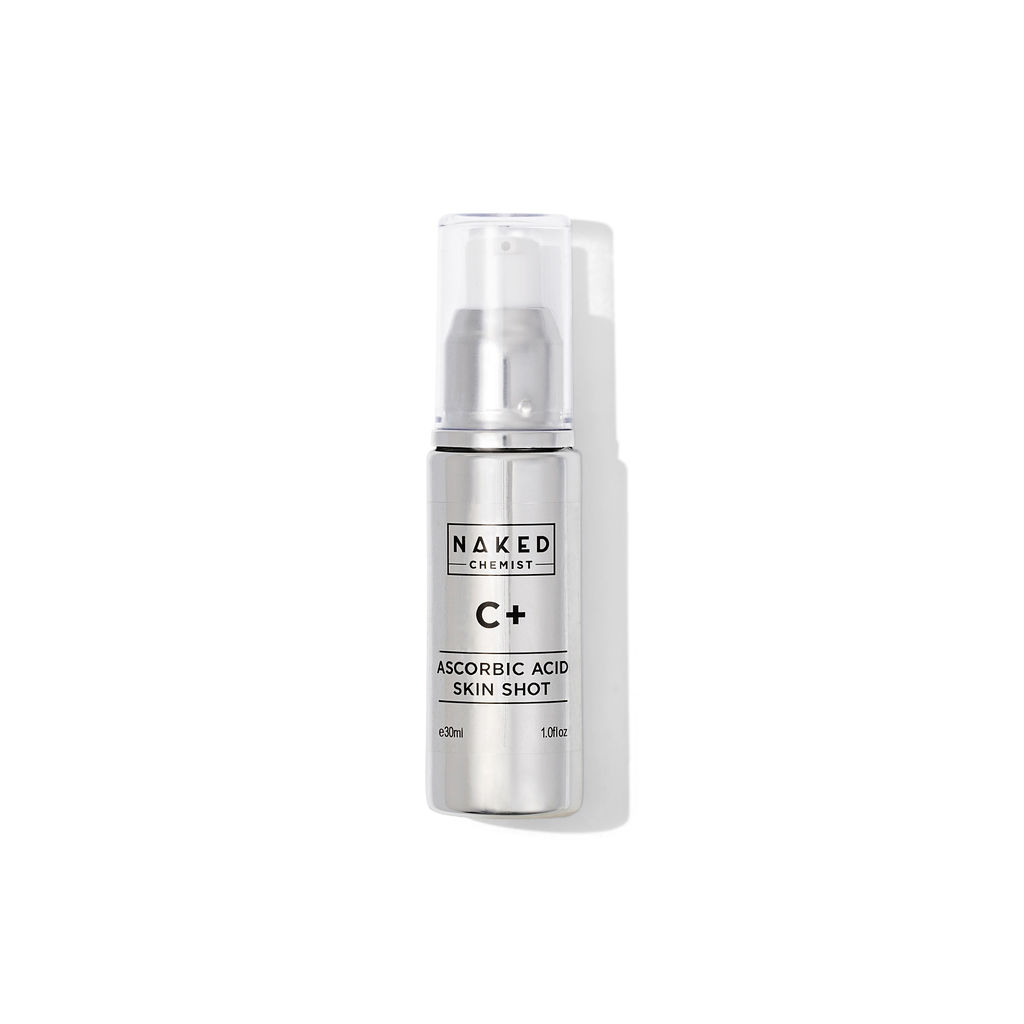
Recommended: C+ Ascorbic Acid Skin Shot
A potent vitamin C serum that fades pigmentation, supports collagen synthesis, and protects against environmental damage. Used consistently in the morning, it’s one of the most effective treatments for pigmentary and lifestyle-related dark circles.
Best for: Dull skin, under-eye pigmentation, post-acne marks, and visible signs of ageing.
Retinol is the gold standard for collagen support and structural improvement. It accelerates cell turnover, stimulates collagen production, and addresses both fine lines and pigmentation simultaneously. For the under-eye area, low concentrations applied carefully — and only on a stable barrier — deliver significant long-term improvement.
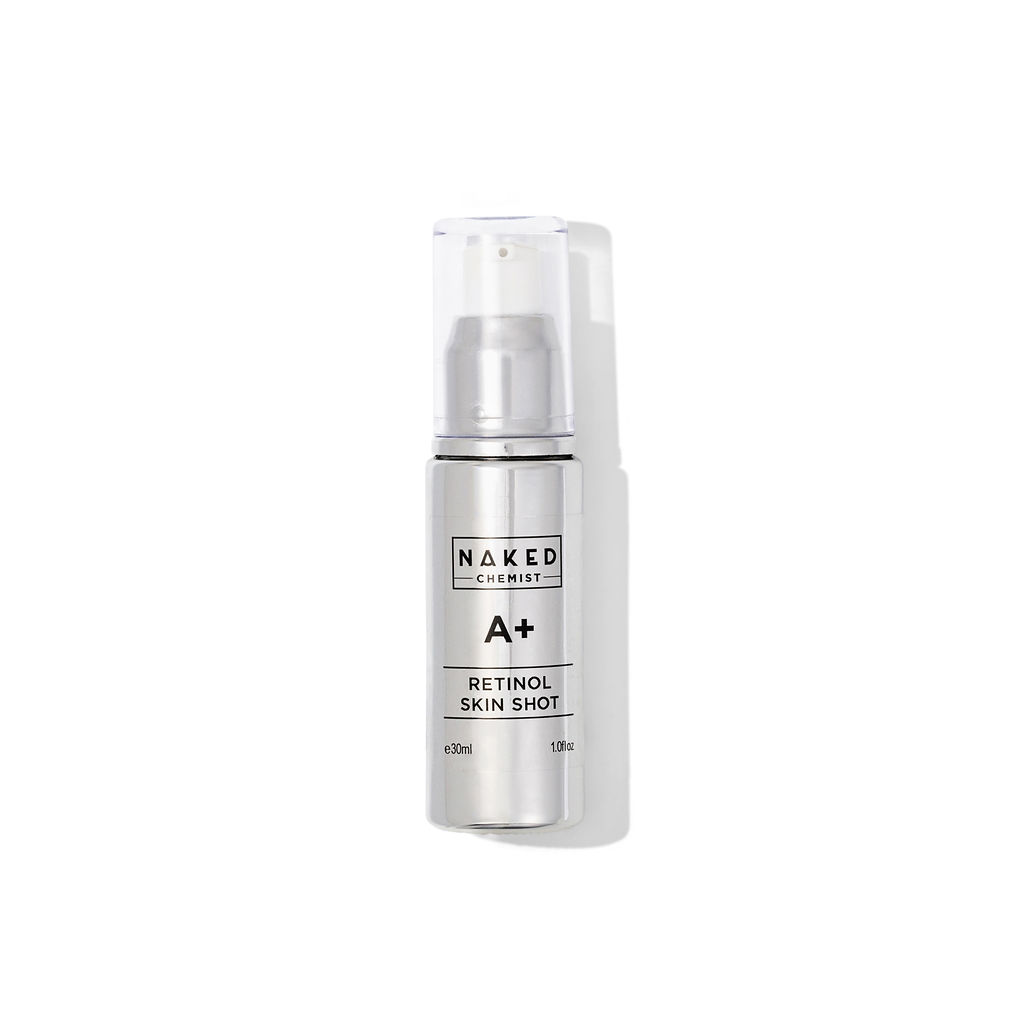
Recommended: A+ Retinol Skin Shot
A clinically formulated retinol that accelerates cell turnover and stimulates collagen — without the harsh irritation that compromises the delicate under-eye area. Use sparingly at night, building up gradually as your skin adapts.
Best for: Mature skin, structural dark circles, fine lines, and uneven texture.
Cold-pressed rosehip oil is rich in essential fatty acids, vitamin A precursors, and antioxidants. It supports skin regeneration, gradually fades pigmentation, and replenishes the lipid layer that the under-eye area loses with age. A small drop tapped under the eye at night can make a measurable difference within weeks.

Recommended: Rosehip Seed Oil
A cold-pressed, nutrient-rich facial oil packed with essential fatty acids, vitamin A, and antioxidants. Supports skin regeneration, fades pigmentation, and softens the appearance of fine lines around the under-eye area over time.
Best for: Mature skin, scarring, pigmentation, dehydrated under-eyes, and post-inflammatory marks.
Niacinamide (B3) brightens, calms inflammation, and strengthens the barrier — three things the under-eye area needs simultaneously.
Peptides signal the skin to produce more collagen, gradually improving density.
Caffeine constricts blood vessels and reduces puffiness, particularly useful for vascular dark circles.
Vitamin K improves circulation and reduces stagnant blood flow beneath the skin.
Skincare can only do so much when lifestyle factors are working against it. The most overlooked drivers of dark circles aren’t found in any product — they’re in sleep quality, hydration, and how you care for the under-eye area daily.
Sleep. Chronic sleep deprivation reduces circulation, increases fluid retention, and compromises overnight skin repair. The link between poor sleep and visible dark circles is one of the most measurable in dermatology.
Hydration. Dehydrated skin appears thinner and more transparent — making vascular dark circles significantly more visible. A consistent water intake habit can change the appearance of under-eye circles within a week.
Sun exposure. UV damage triggers melanin production and accelerates collagen breakdown. Daily SPF on the under-eye area is non-negotiable for managing pigmentary and structural dark circles.
Eye-rubbing. Allergies, screen fatigue, or just absent-minded rubbing damage the delicate under-eye skin, creating chronic inflammation and post-inflammatory pigmentation.
Stress. Chronic cortisol elevation worsens inflammation, disrupts circulation, and accelerates the onset of visible fatigue. Managing stress isn’t optional — it’s a clinical intervention.
Diet. Excess salt causes fluid retention and puffiness. Excess sugar drives inflammation. Alcohol dehydrates and dilates blood vessels. None of this is glamorous advice — but all of it shows up in the under-eye area first.
For dark circles that don’t fully respond to skincare and lifestyle changes, professional treatments can offer additional improvement. These work best when combined with a strong daily skincare routine — not in place of one.
Hyaluronic acid fillers can restore lost volume in the tear trough, smoothing the hollowed appearance that creates structural shadows. Effective for genuine volume loss, but inappropriate for vascular or pigmentary dark circles. Results last 9–18 months.
Laser treatments — particularly fractional or vascular lasers — can target visible blood vessels and reduce pigmentation. Multiple sessions are usually required, and the under-eye area is more sensitive than the rest of the face.
Chemical peels and microneedling can improve overall skin texture and pigmentation around the eyes when performed by an experienced practitioner. Both require a healthy barrier going in and proper aftercare.
Surgical options like blepharoplasty or fat grafting are reserved for severe cases involving significant volume loss or excess skin. These are major procedures with real recovery times — not first-line treatments.
If you’re considering professional treatment, prepare your skin properly first. Strong, well-supported skin heals faster, scars less, and delivers better outcomes regardless of the procedure.
Most people don’t realise their daily habits are quietly making dark circles harder to treat. The patterns I see in the clinic are remarkably consistent.
Layering too many actives on the under-eye area. Vitamin C, retinol, peptides, and niacinamide, all stacked together, overwhelm the most delicate skin on the face. Introduce one ingredient at a time, give it 4–8 weeks to work, then assess.
Using strong eye creams on a compromised barrier. If the under-eye area is already reactive, even good ingredients can worsen pigmentation and inflammation. Restore barrier health first, treat second.
Skipping SPF under the eyes. Sun exposure is the single biggest accelerator of pigmentary and structural dark circles. Daily broad-spectrum SPF is essential.
Tugging when applying products or removing makeup. The under-eye area is the most fragile skin on the face. Always tap, never drag.
Relying on concealer instead of treatment. Concealer is a useful tool, but it doesn’t change the underlying skin. For practical guidance on finding a concealer that works alongside good skincare, read our guide to concealer for dark circles under the eyes.
Expecting overnight results. Real improvement in dark circles takes 8–12 weeks of consistent treatment. Abandoning a routine after two weeks means you never find out whether it works.
Sound familiar? You’re not alone.
The most effective routine for dark circles is built around consistency, not complexity. Three to five well-chosen products applied daily for months will outperform any complex regimen done sporadically.
Morning: Gentle cleanser → vitamin C serum → eye cream → broad-spectrum SPF.
Evening: Gentle double cleanse → treatment serum (retinol, peptides, or rosehip oil — alternated, not stacked) → Ee cream.
Recommended: Naked Chemist Eye Cream
A targeted eye treatment formulated with peptides, antioxidants, and barrier-supporting ingredients to soften the appearance of fine lines, brighten dark circles, and restore the delicate skin around the eyes — without the heavy, greasy finish that compromises mature skin.
Best for: Dark circles, fine lines, mature skin, and the delicate under-eye area.
Apply eye-area products with your ring finger, tapping gently around the orbital bone. Never drag, rub, or pull. Allow each layer to absorb before applying the next.
For a step-by-step approach to building this routine, read our practical guide on how to get rid of dark circles.
Founder Insight
Samantha Miller — Clinical Esthetician with 30+ years of experience & Founder of The Naked Chemist
“In thirty years of clinical practice, the clients who genuinely fade their dark circles are never the ones chasing miracle eye creams. They’re the ones who understand that the under-eye area is just skin — fragile, delicate, but skin — and treat it accordingly. They sleep properly. They hydrate. They protect from the sun. They use a few well-chosen ingredients consistently for months, not weeks. The transformation, when it happens, is always quiet. Not dramatic. Just a steady softening of shadows, a gradual brightening, and a return to looking like a well-rested version of themselves. That’s what real change looks like.”
If you’ve been chasing dark circles with products that promise overnight results, the answer isn’t another miracle eye cream. It’s a calm, consistent approach built around the ingredients your skin actually responds to — and the lifestyle factors that no product can replace.
That’s the philosophy every Naked Chemist formulation is built on. Calm, considered, and designed to support the skin’s intelligence rather than override it. For our full range of eye-area treatments and serums, explore the Naked Chemist eye care collection.
Dark circles under eyes are rarely a single problem with a single fix. They’re the visible result of multiple factors stacking up — thin skin, pigmentation, hollowing, sleep, hydration, stress, and sun damage — and the only way to genuinely fade them is to address what’s actually driving them.
The instinct is always to chase another product. A new eye cream. A different concealer. Something stronger, brighter, more concentrated. But in my experience, that approach almost always makes the under-eye area worse — more reactive, more pigmented, more compromised than before.
What actually works is the opposite. Slow down. Simplify. Choose two or three well-formulated ingredients with real evidence behind them — vitamin C, retinol, peptides, rosehip oil — and use them consistently for two to three months. Sleep properly. Hydrate. Protect from the sun. Stop tugging at the area when you remove makeup.
The transformation, when it comes, is quiet. Not dramatic. Just a gradual softening of shadows and a steady return to looking like a well-rested version of yourself. That’s what real, lasting improvement in dark circles actually looks like — and it’s far more reliable than chasing the next miracle product.
Dark circles are caused by a combination of factors — visible blood vessels through thin skin, excess pigmentation, hollowing from collagen loss, and lifestyle factors like sleep deprivation and dehydration. Most people have more than one type of dark circle, which is why single-product solutions often fail.
Some causes can be significantly improved or reversed — particularly pigmentary and lifestyle-related dark circles — through consistent skincare, sun protection, and lifestyle changes. Structural dark circles caused by hollowing may require professional treatments such as fillers for full correction. But meaningful improvement is achievable for most people with the right approach over 8–12 weeks.
Vitamin C is the most clinically validated for fading pigmentation and supporting collagen. Vitamin K may help with vascular dark circles, vitamin A (retinol) addresses structural concerns, and vitamin B3 (niacinamide) brightens while strengthening the barrier. The most effective approach uses a combination, introduced gradually.
As skin ages, collagen production slows, the under-eye area loses volume, and skin thins further — making everything beneath it more visible. Sun damage and accumulated lifestyle stress also compound over time. Starting prevention early is far easier than reversing changes later.
Yes — measurably. Poor sleep reduces circulation, increases fluid retention, and disrupts overnight skin repair. The link is among the best-documented in dermatology. Most people see a visible improvement in under-eye darkness within a week of consistent, high-quality sleep.
Yes, genetics plays a significant role. People with fair skin, naturally thin skin, or a family history of visible blood vessels under the eyes are more likely to develop prominent dark circles. Genetic dark circles often appear earlier in life and persist regardless of lifestyle. They can still be improved with consistent treatment, but rarely eliminated.
Dark circles refer to discolouration — pigment, vascular shadows, or hollowing. Under-eye bags refer to puffiness or fluid retention beneath the eyes. The two often appear together but have different causes and treatments. Bags respond to lymphatic drainage, sleep, and reduced salt; dark circles need brightening, collagen support, and barrier care.
16 replies on “Dark Circles Under Eyes: Causes, Treatments & Prevention”
If you have dark puffy bags under your eyes I would suggest giving Naked chemists Revital Eye Treatment a try. It works within minutes to reduce the puffiness and I have had zero irritation.
how about Malaysia ? can I get it from here ?
Nailah, I apologise no we don’t sell in Malaysia we ship there, however.
I’m 22 year old girl, but i have dark circles under eye last 5 to 6 year, I’m every time sad. My all friends always make a joke about my dark circles. I’m not sure what kind of products is best. My skin is oliy and rough dry after washing my face, my face skin is vry sensitive. No any products suite in my face.
What can i do.
Hi Kajal
This is very hard to treat I am afraid, can be genetic or as a result of something more systemic. I would find a good dermatologist locally as they really need to see your condition and then they can advise .Good luck
Samantha
I inherited dark eye circles from my German mother. These dark circles just JUMP out at you on my face and I’ve had them my whole life regardless of what I eat, how much I sleep etc. I never could leave the house without concealer and no creams ever worked for me in the past.
I tried the Naked Chemist Ageless Eye Duo TOGETHER. I used BOTH twice a day every day after washing my face. There is so much more of an improvement than I’ve ever seen before! You can’t expect a miracle from any cream. I still will wear concealer when going out, but I don’t feel so ashamed of my dark circles anymore. 🙂
Bonus fact: I have very sensitive skin and Savior was amazing for me so thank you, it was very soothing and not irritating in the least.
id like to know what this cream is and where I can see it and maybe buy it
Hi Dannie
you just need to look out for the ingredient vitamin K and nitric acid in a formula, I am currently formulating a cream for the eyes..hope this helps
I’d like to find a product for dark under eye circles and puffiness
Hi Aminah we formulate a soon to be released product that actively targets dark circles around the eyes. It contains hayloxyl and chrysin ingredients that actively work to eliminate dark circles, combined with peptides that strengthen capillaries around the eyes. All of which is suspended in a synergistic mix of centella asiatica, which assists with capillary circulation…. Please do let me know if you would like to purchase our dark circle eye cream. Kind Regards Samantha
From where can i get this cream in Pakistan?
Unfortunately at this time it is not for sale in Pakistant
Hi Samantha i would like to order the cream for dark circles under the eyes.
Hi Francis
Please email me directly at samanthamiller70@hotmail.com kind regards Samantha
Hello,
Where can I get in India? Also is it 100% effective?
Hi Roshni
I’m so sorry I am not aware where you get these ingredients in India, sorry I cannot be of more help. Samantha