Ingredients
10 Castor Oil Benefits for Healthy Skin

Free Shipping to Australia on orders over $100. Worldwide on Orders over $250. Dismiss
By Samantha Miller, Clinical Skin Therapist & Founder of The Naked Chemist | Updated: 2026
Of all the places people rub castor oil, the feet might be the most loved.
Somewhere along the way, it picked up a reputation for everything.
That’s right, from pulling toxins out through your soles to curing fungal infections overnight.
Some of that is true. Some of it is wishful thinking dressed up as wellness.
So here’s the honest clinician’s version of what castor oil for feet actually does.
Where it genuinely helps, where the claims run ahead of the evidence, and exactly how to use it.
Castor oil is excellent for feet as a softening, soothing, occlusive treatment — ideal for dry, cracked heels and rough skin. Its ricinoleic acid is anti-inflammatory and mildly antimicrobial, which is why it’s often used overnight under socks. Its “detox” and antifungal claims, however, are far weaker than the marketing suggests.
In This Article
Key Takeaways
Castor oil suits feet because it’s thick and occlusive — it sits on the skin and forms a softening, sealing layer. In tough, dry areas like heels, that heaviness is exactly what you want.
Castor oil is cold-pressed from the castor seed and is one of the thickest oils in cosmetics, with a viscosity of around 293, compared with olive oil’s 47. On your face, that heaviness can feel like too much. On your heels, it’s perfect.
The feet take a daily beating, and the skin there is thicker and drier than on almost any other part of the body. A rich, occlusive oil is genuinely well matched to the job.
The strongest benefits of castor oil for feet are softening cracked heels, soothing inflammation, repairing the barrier, and supporting circulation through massage. These are real and worth doing — they just aren’t the dramatic claims you often see.
This is castor oil’s headline act. Massaged into dry, cracked heels — especially overnight — it softens hardened skin and helps it feel supple again with regular use.
Ricinoleic acid is anti-inflammatory, so a slow foot massage with castor oil can ease the ache after a long day on your feet. Much of the relief comes from the massage itself, which is no bad thing.
Massaging any oil into the feet stimulates blood flow to the area. Warm, well-circulated feet simply feel better — and it’s a lovely wind-down ritual before bed.
As an occlusive, castor oil seals moisture into the skin, as this research shows. Apply it over slightly damp feet, and it traps that hydration rather than letting it evaporate — which is why socks-over-oil works so well overnight.
Recommended
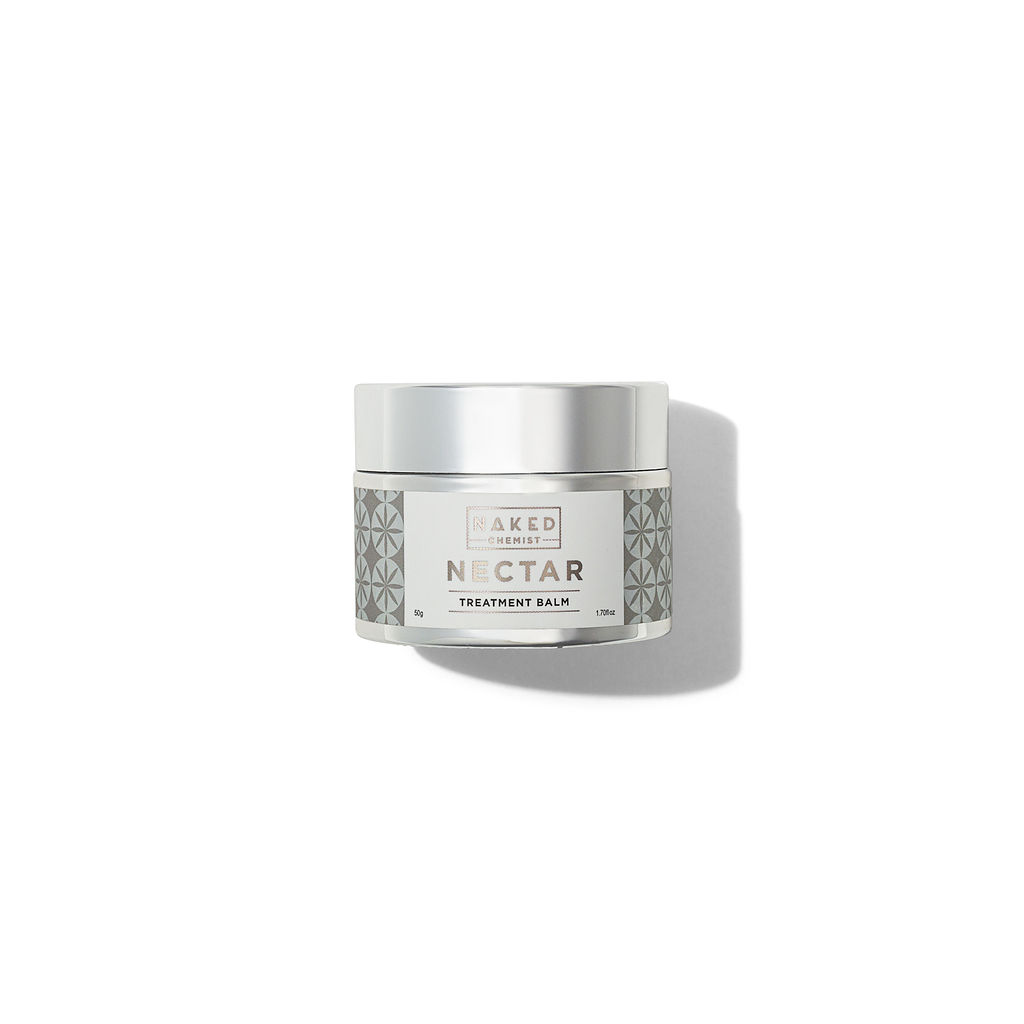
A rich antioxidant balm with castor oil, shea butter and manuka honey to seal, soften and protect dry or compromised skin — nature’s answer to Vaseline, without the petroleum.
Best for: dry, rough or weathered areas — heels and cracked patches — needing a nourishing overnight seal.
Castor oil contains undecylenic acid, which has recognised antifungal properties, so it may offer mild support against athlete’s foot. But it is not a proven, stand-alone treatment — a persistent fungal infection needs a proper antifungal and, if it doesn’t clear, a doctor.
Here’s the honest version. Undecylenic acid is a real antifungal — it’s even used in some over-the-counter products. Castor oil is one of the few natural sources of it.
But the amount of castor oil and how well it penetrates are a long way from a pharmacy-strength treatment. I’d never want someone to rely on it alone for an active infection and watch it spread.
Think of it as gentle support for skin health between or alongside proper treatment — not a cure. If athlete’s foot persists, see a pharmacist or doctor.
Castor oil on your feet does not pull toxins out through the soles — that isn’t how skin or detoxification works. Your liver and kidneys handle detox. What castor oil genuinely does is soften skin and, through massage, aid circulation and relaxation.
This is the part most wellness articles won’t tell you. The idea that oil on the soles draws toxins from your body is appealing, but the skin barrier is designed to keep things out, not act as a drain.
That doesn’t mean the ritual is pointless — far from it. A warm foot massage before bed genuinely relaxes you, supports circulation, and softens the skin. Those benefits are real. The “toxins” framing just isn’t.
I’d rather you do it because it feels wonderful and your heels love it — not because you think you’re detoxing.
The best way to use castor oil on your feet is overnight: wash and dry your feet, massage in a small amount of cold-pressed oil, focusing on the heels and rough areas, then cover with cotton socks to lock it in and protect your bedding.
The Overnight Method
A few simple missteps can keep castor oil from working as well as it could on your feet.
Using too much is the big one — castor oil is heavy, and a thin layer massaged in does more than a thick, sticky coat. Applying it to damp-but-not-clean feet is another; trapping anything under an occlusive layer isn’t ideal, so start clean.
And the biggest one: expecting it to fix a medical problem. Cracked heels that bleed, persistent athlete’s foot, or any infection that’s spreading need proper care — castor oil is comfort and maintenance, not a cure.
Castor oil for feet is a beautiful, simple ritual — and a genuinely well-matched one. At a viscosity of around 293 (against olive oil’s 47), it’s one of the thickest oils in cosmetics, and that heaviness is exactly what tough, dry heel skin is asking for. Its ricinoleic acid — anti-inflammatory and mildly antimicrobial — is why a slow massage eases tired, aching feet, and why, worn overnight under cotton socks, it has hours to soften and seal.
What it isn’t is a detox or a cure. Your skin barrier is built to keep things out, not draw toxins through your soles — that job belongs to your liver and kidneys. And while castor oil is one of the few natural sources of undecylenic acid (a genuine antifungal), the amount here is a long way from a pharmacy-strength treatment. Treat it as gentle support alongside proper care for something like athlete’s foot — never a substitute for it.
So use castor oil for feet for exactly what it does well: soften, soothe, and seal. Apply a little to clean, slightly damp feet, pull on cotton socks, and let it work while you sleep. Do it because it feels wonderful and your heels genuinely love it — not because you’re chasing a miracle. Use it for what it truly is, and your feet will thank you for it.
Can you leave castor oil on your feet overnight?
Yes — overnight is the best way to use it. Massage a small amount into clean, dry feet, cover with cotton socks, and leave it to soften the skin while you sleep.
Is castor oil good for athlete’s foot?
Castor oil contains undecylenic acid, a natural antifungal, so it may offer mild support. It is not a proven treatment, though — a persistent infection needs a proper antifungal and medical advice if it doesn’t clear.
Does castor oil on your feet really detox your body?
No. Skin doesn’t draw toxins out the way that claim suggests — your liver and kidneys handle detoxification. The genuine benefits are softer skin, better circulation from massage, and relaxation.
2 replies on “10 Castor Oil Benefits for Healthy Skin”
Hi . Cannot read your article about castor oil and the feet. Would you be able to send it to me please Than you.
Hi apologies here is the link https://thenakedchemist.com/the-benefits-of-castor-oil-in-skincare/